Simian Ridge
Enterprises
Jack MacKenzie
|
The Woods
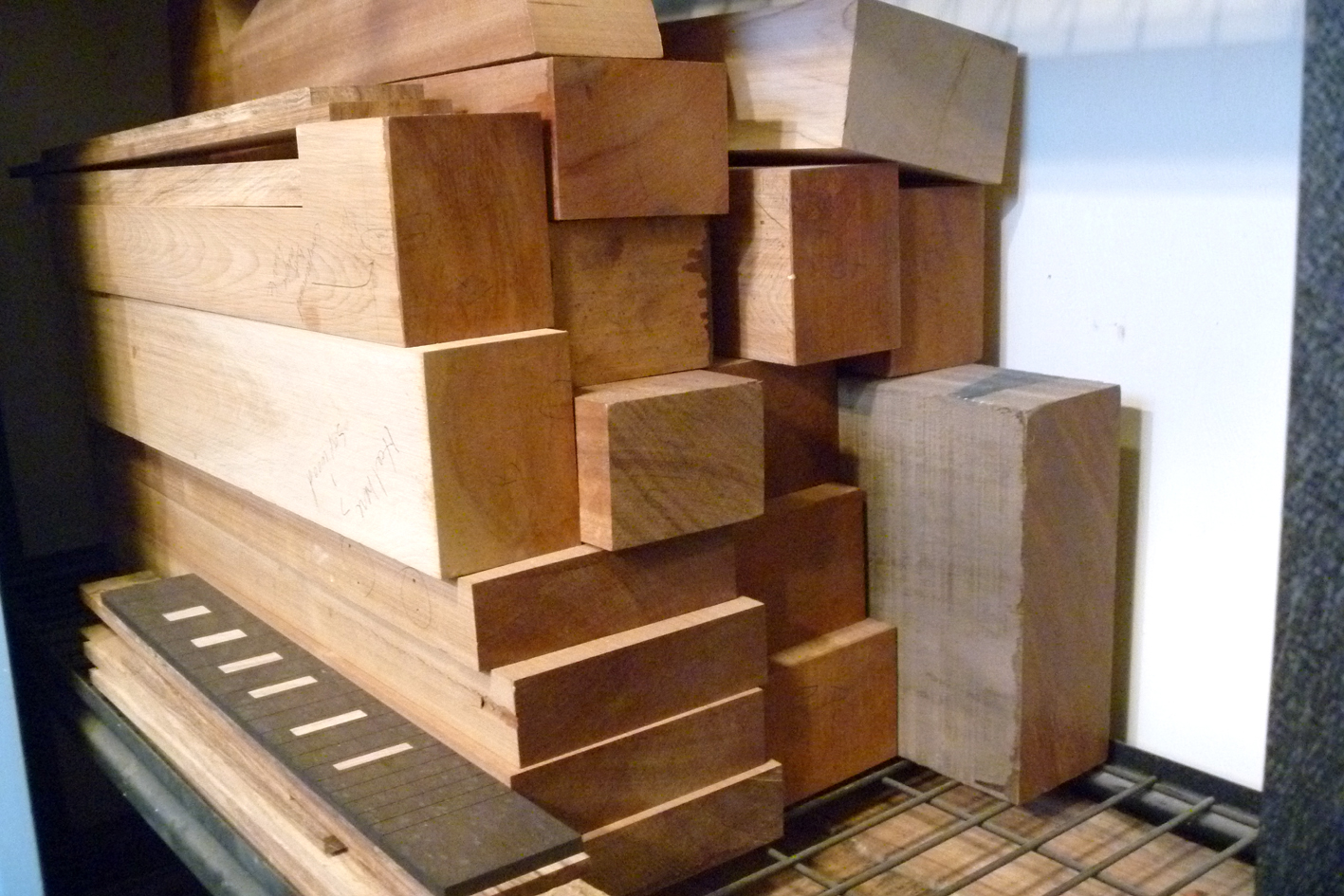
Although I have built 3 guitars out of Honduras Mahogany and one out of East Indian rosewood, The Simian Ridge project is all about exploring the New Zealand woods as they might apply to acoustic guitar making. Below are the first 3 woods that have been tried, along with some photos and comments.
Although I have built 3 guitars out of Honduras Mahogany and one out of East Indian rosewood, The Simian Ridge project is all about exploring the New Zealand woods as they might apply to acoustic guitar making. Below are the first 3 woods that have been tried, along with some photos and comments.
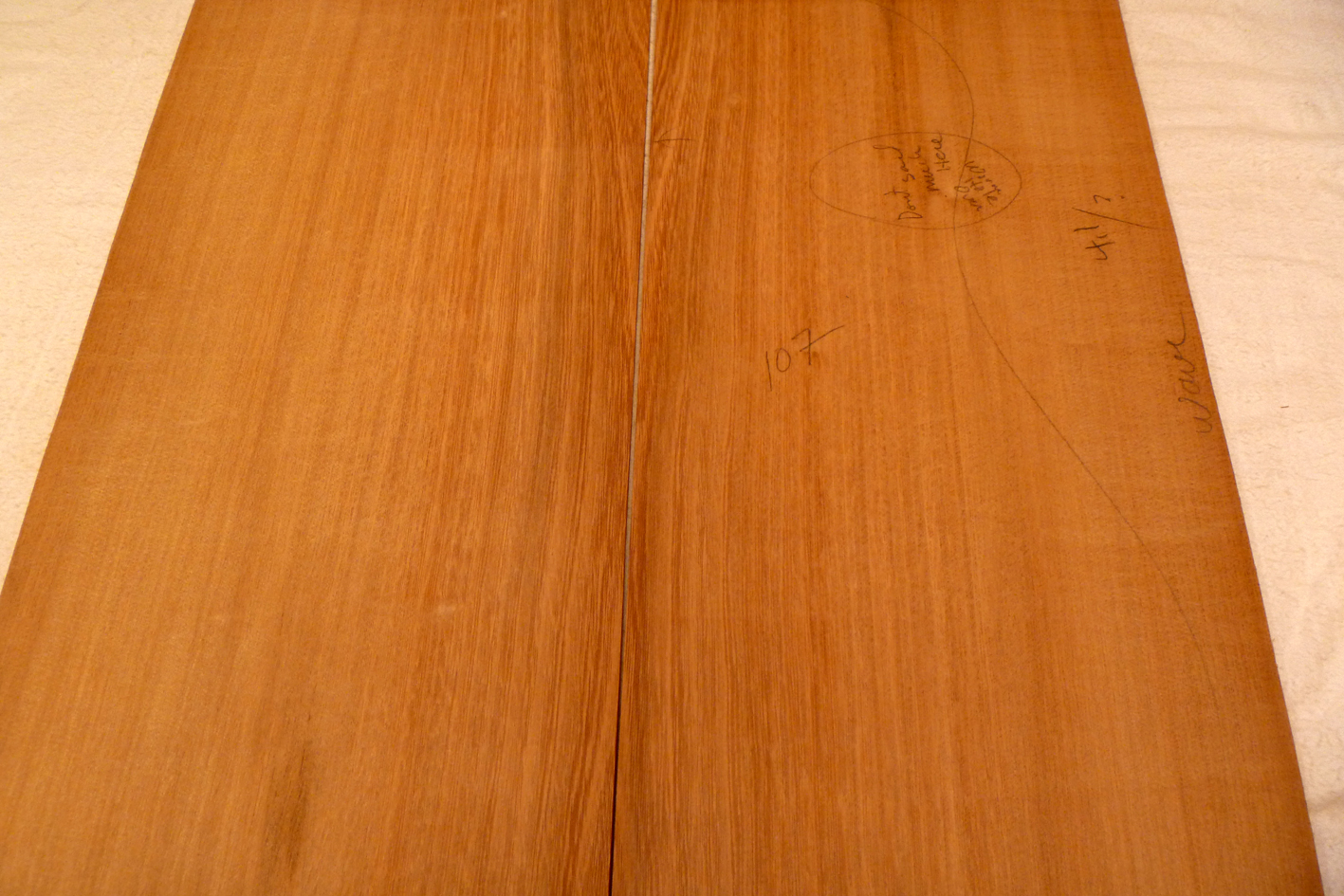
Black Maire
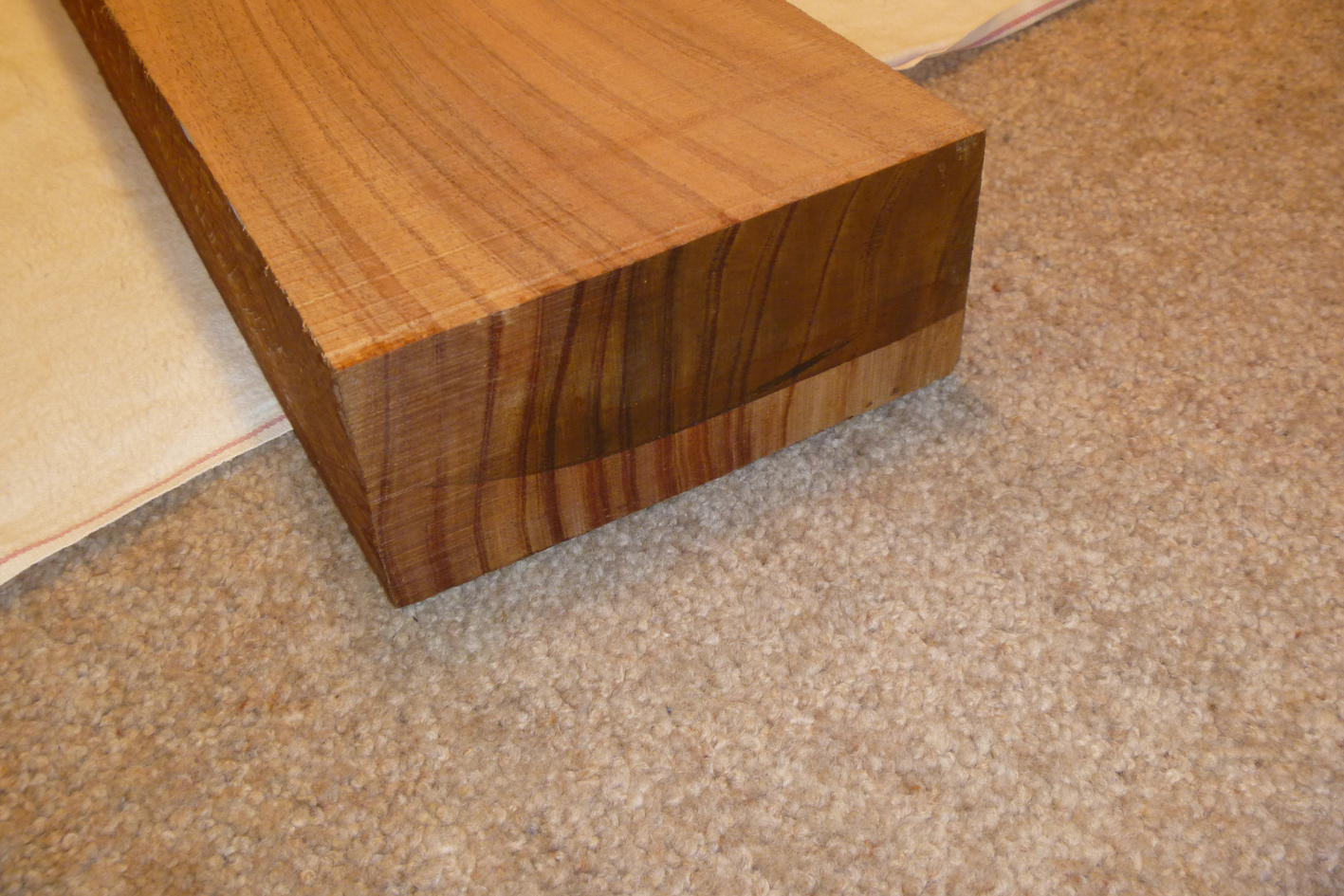
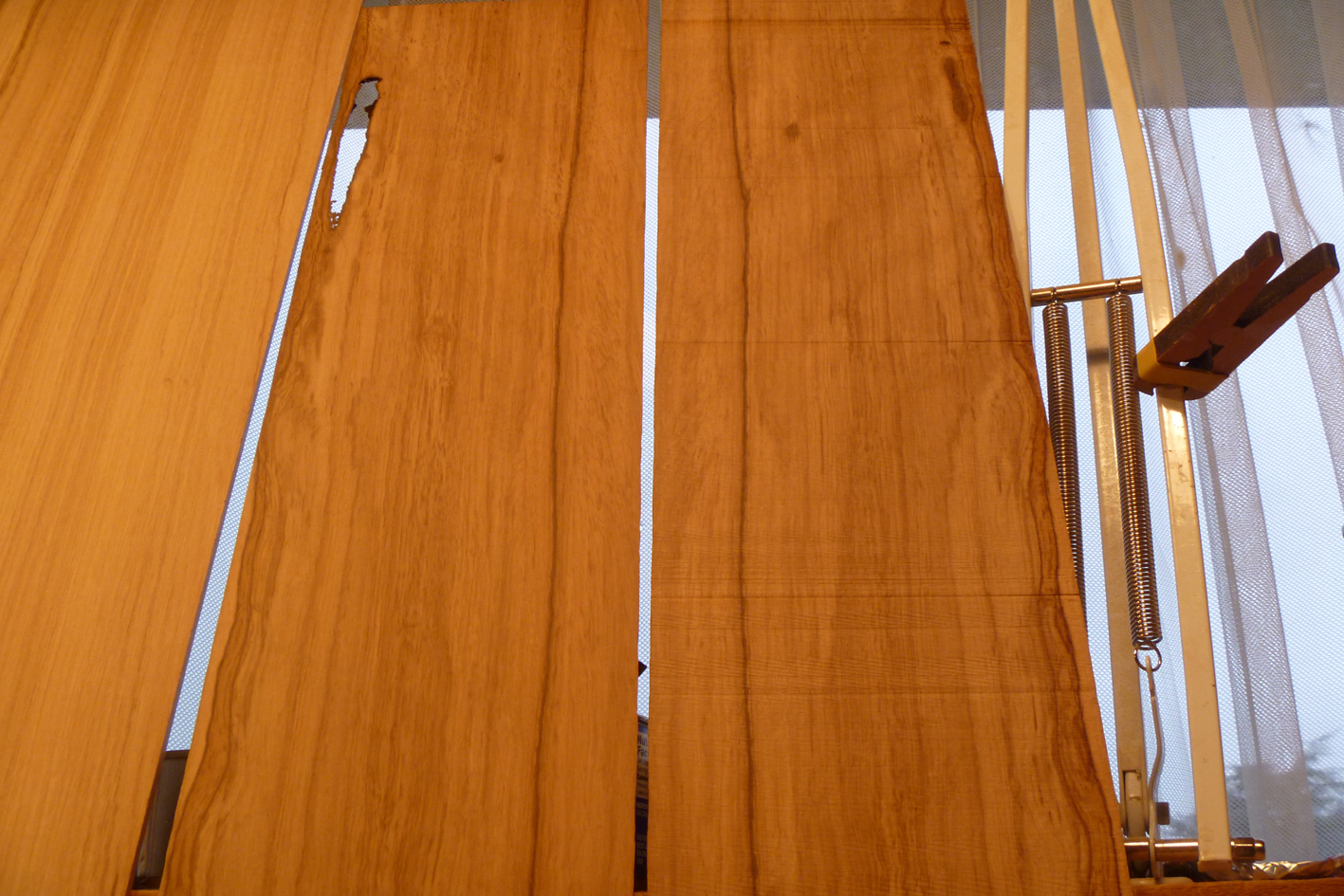
I became aware of the potentilal of this wood back in the late 1980's gathering firewood to keep a family warm in the cold winters of the Central North Island. It is a stunningly beautiful wood, very dense and quite resinous.
I became aware of the potentilal of this wood back in the late 1980's gathering firewood to keep a family warm in the cold winters of the Central North Island. It is a stunningly beautiful wood, very dense and quite resinous.
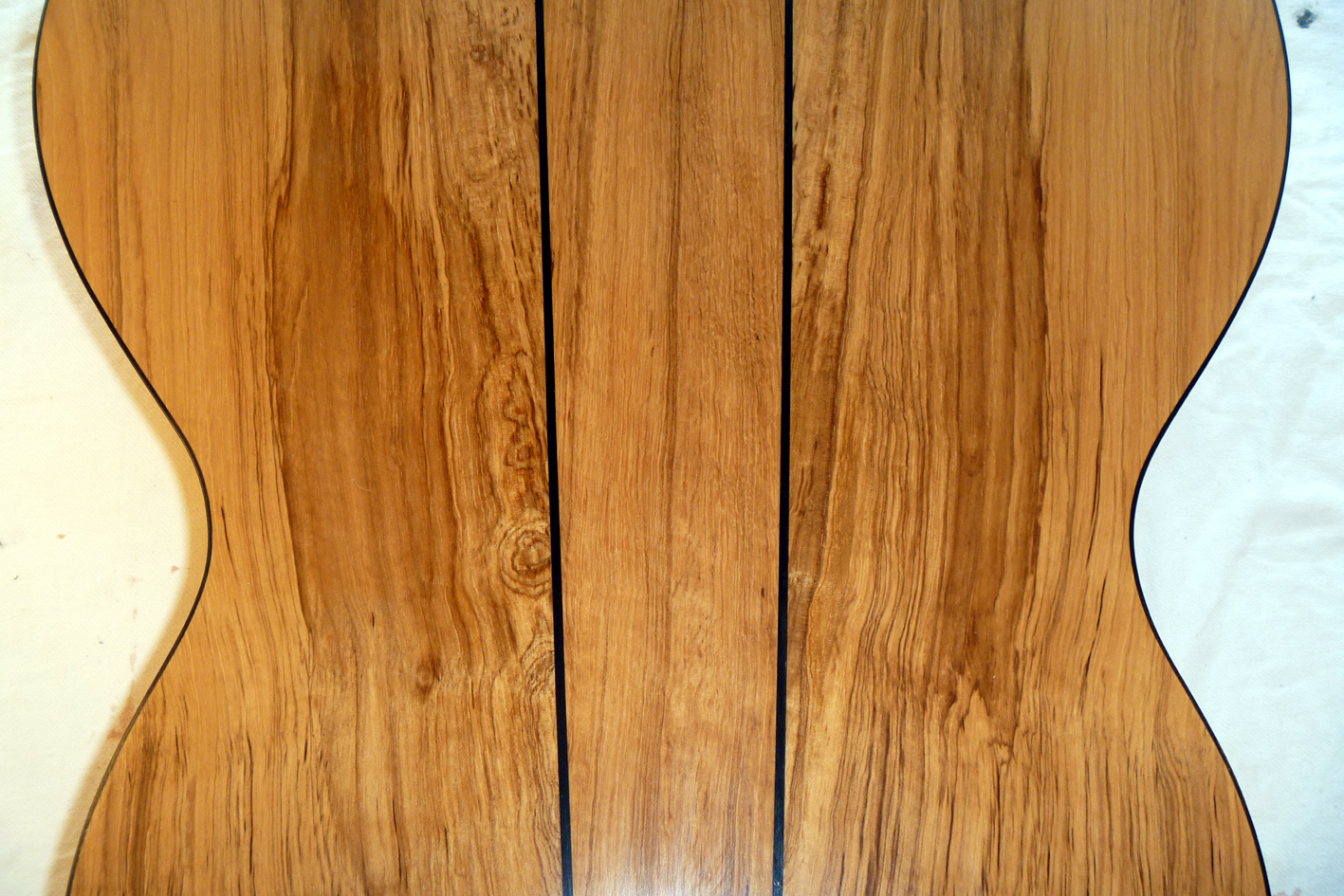
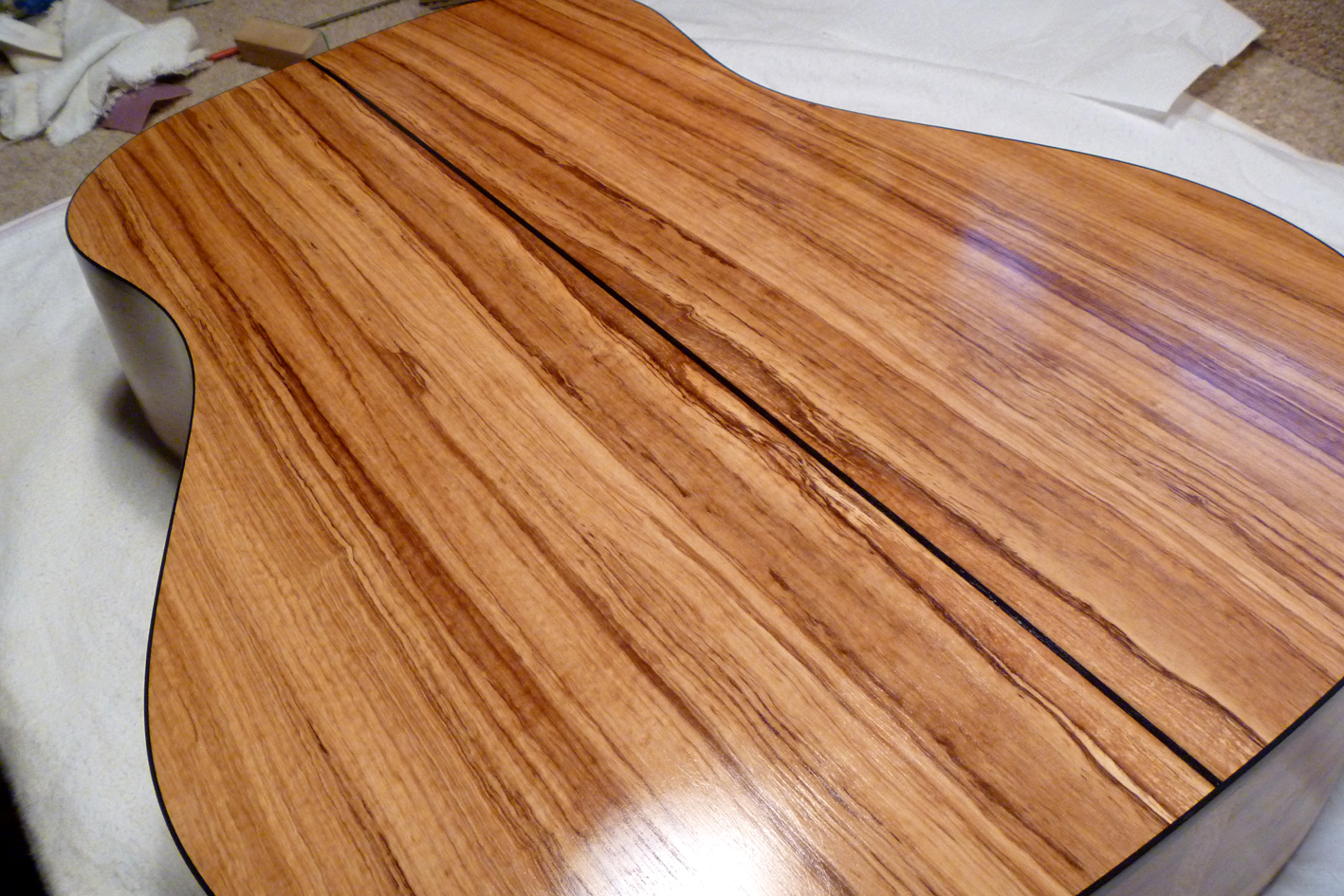
Black Maire also happens to be a supeb tonewood. In terms of its workability, the closest thing I have encountered is Brazilian Rosewood. Maire is hard enough to make a good fingerboard or bridge, as well as sides and backs for guitars. It is, however, somewhat difficult to obtain, especially in quartersawn form. It is even more difficult to find quartersawn planks wide enough to make a 'bookmatched' drednought 2 piece back.
It is hard on the machinery due to its density and hardness. It is also murder on abrasives, due to the resin content. I think it is worth it though, because the result is aesthetically and acoustically superb.
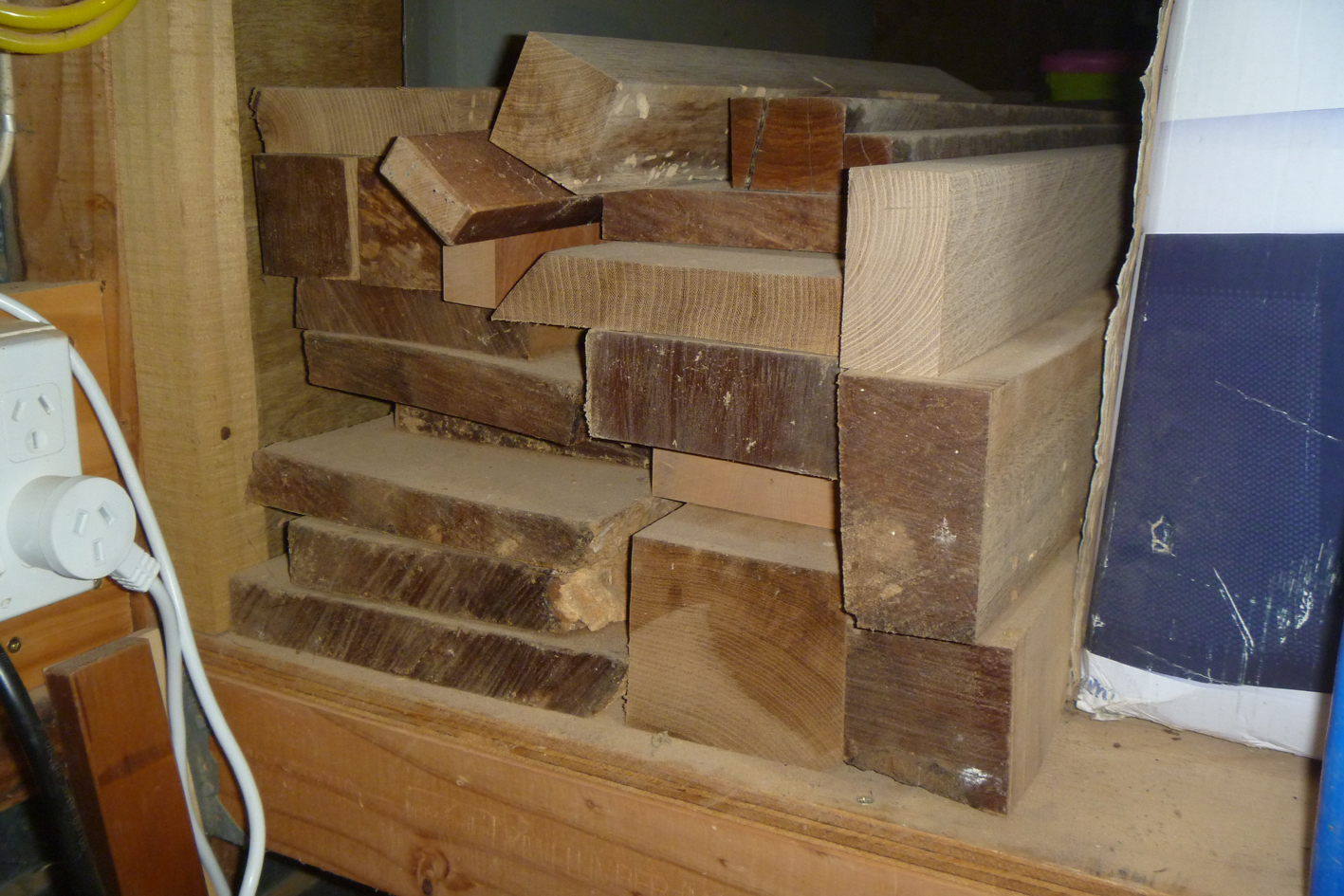
In 2022, I was lucky enough to get onto a stash of black maire that was milled decades ago on a farm in Ohingaiti. And the owner was kind enough to let me sort out the best planks for guitar building. In my case, this will probably represent a lifetime supply. It is probably enough wood to make 10 - 12 guitars. At the rate I make guitars, it could be 2030 by the time I have used it up, if I build exclusively with it. I'll be 81 then if I'm lucky enough !
It is hard on the machinery due to its density and hardness. It is also murder on abrasives, due to the resin content. I think it is worth it though, because the result is aesthetically and acoustically superb.
In 2022, I was lucky enough to get onto a stash of black maire that was milled decades ago on a farm in Ohingaiti. And the owner was kind enough to let me sort out the best planks for guitar building. In my case, this will probably represent a lifetime supply. It is probably enough wood to make 10 - 12 guitars. At the rate I make guitars, it could be 2030 by the time I have used it up, if I build exclusively with it. I'll be 81 then if I'm lucky enough !
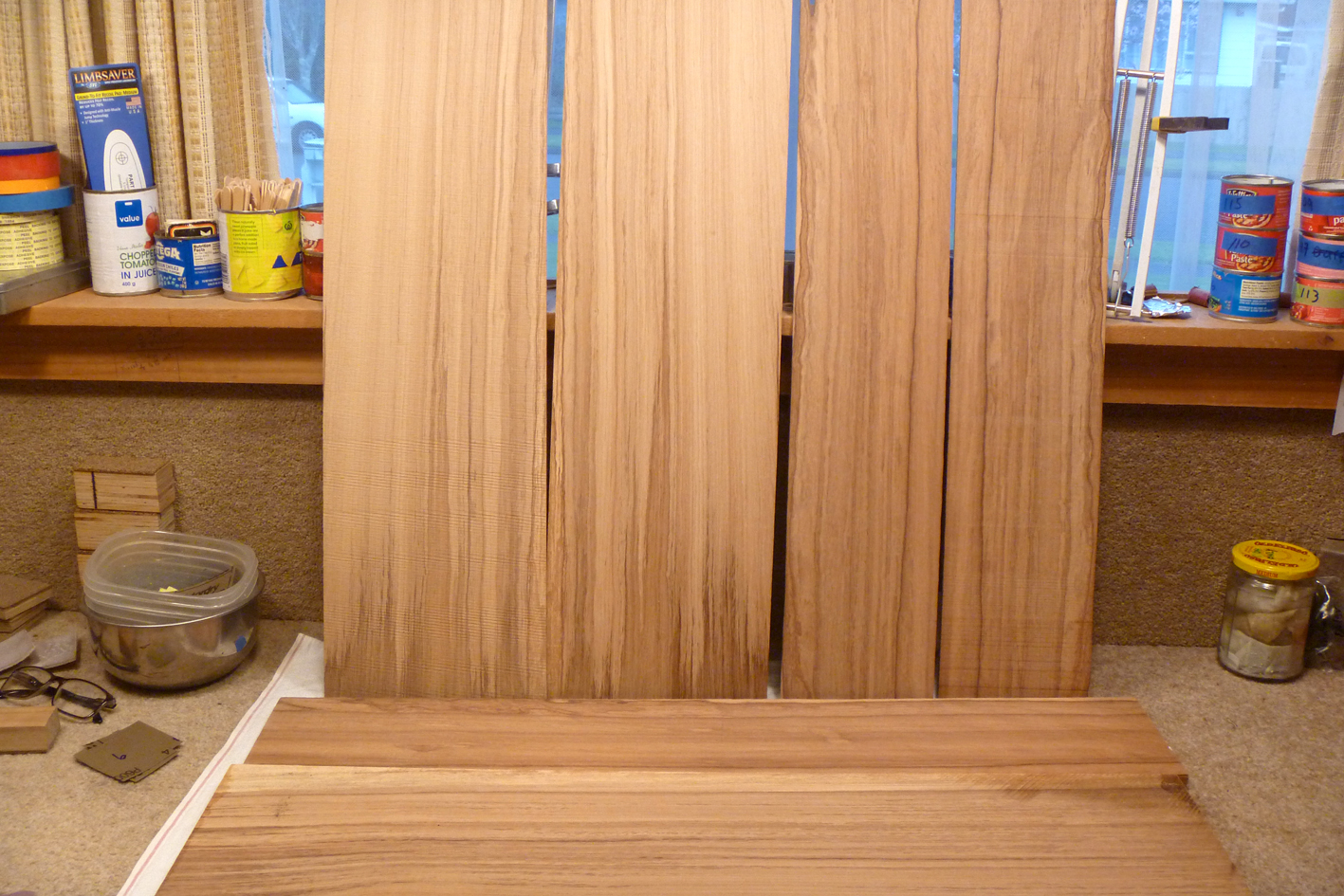
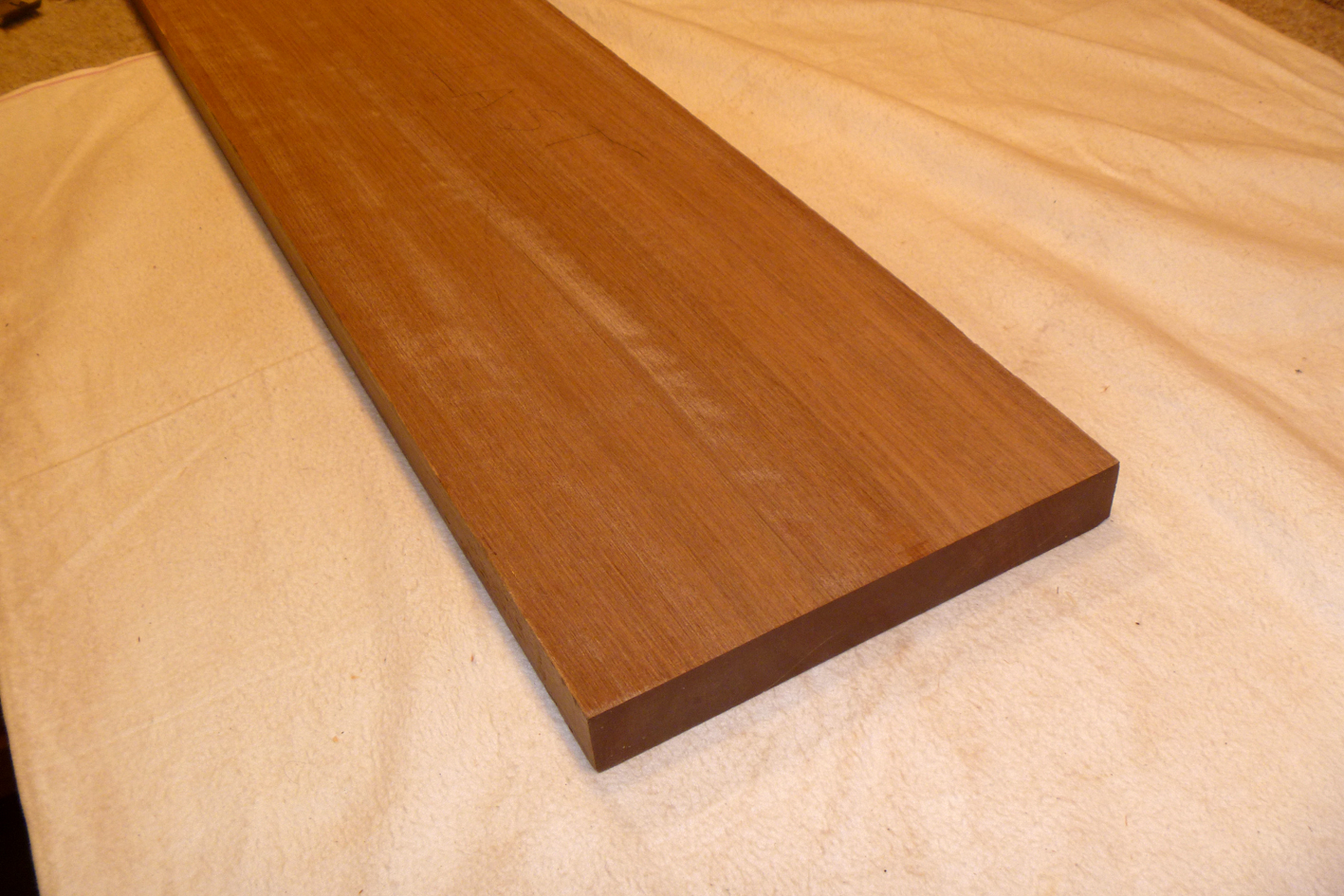
Kowhai
Compared to black maire, kowhai is an equal in hardness and density with maire. Kowhai is not overly resinous though. And, it is plain in appearance by comparison. It is incredibly strong both along and across the grain.
It plank form it is almost impossible to find. Most kowhai tree varieties are too small to mill, they are more like a large bush than a tree. And harvest is restricted by law (as are most native woods).
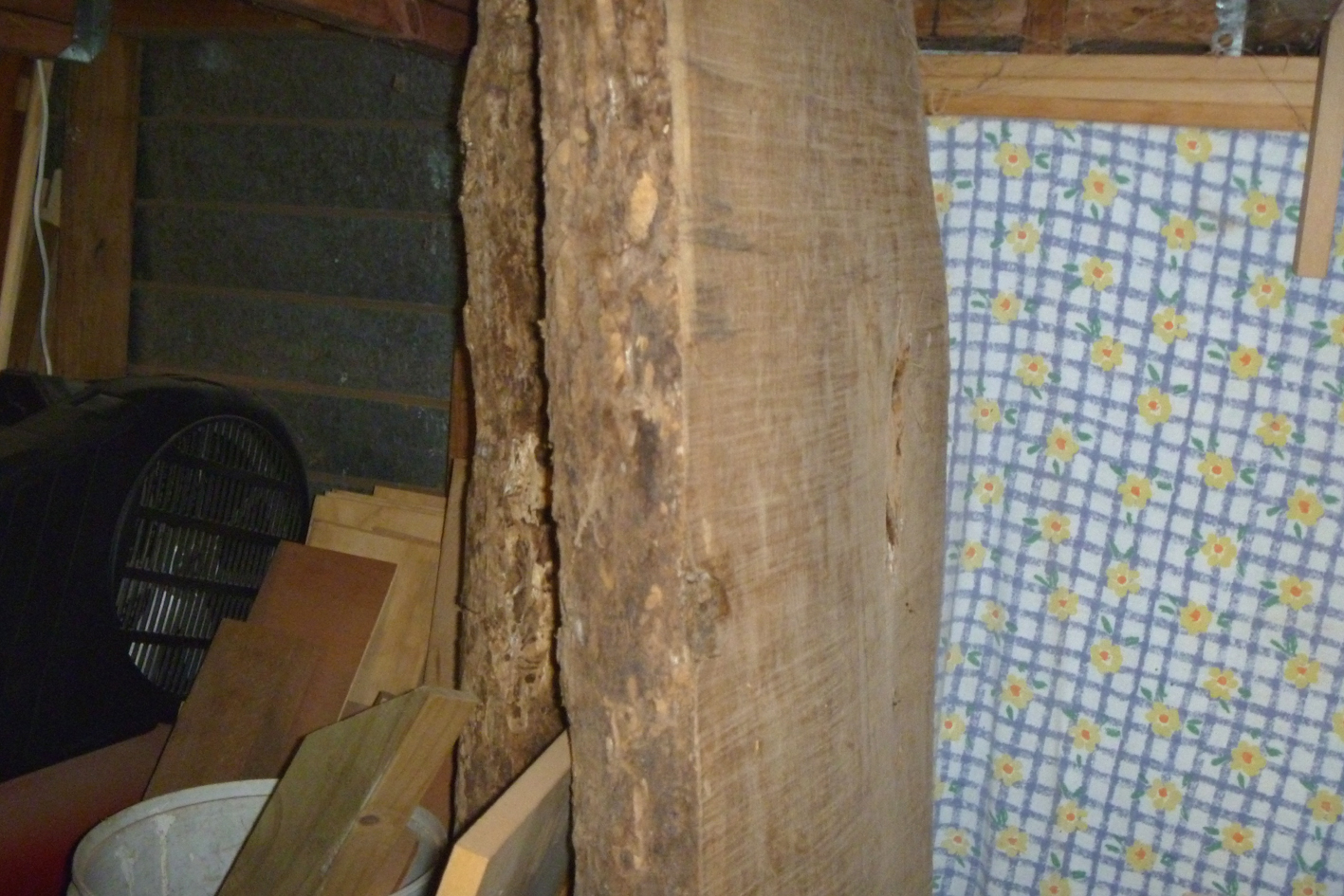
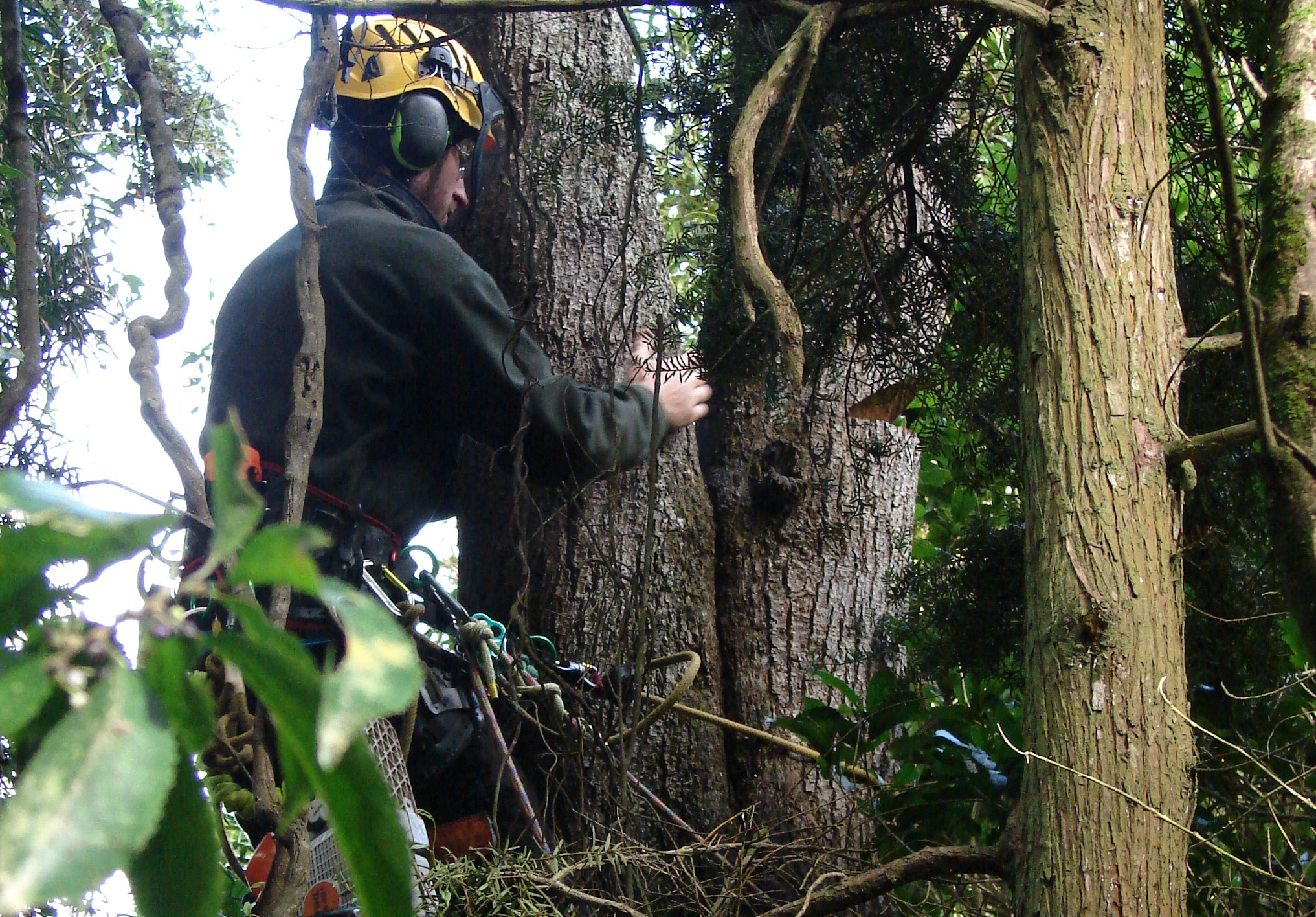
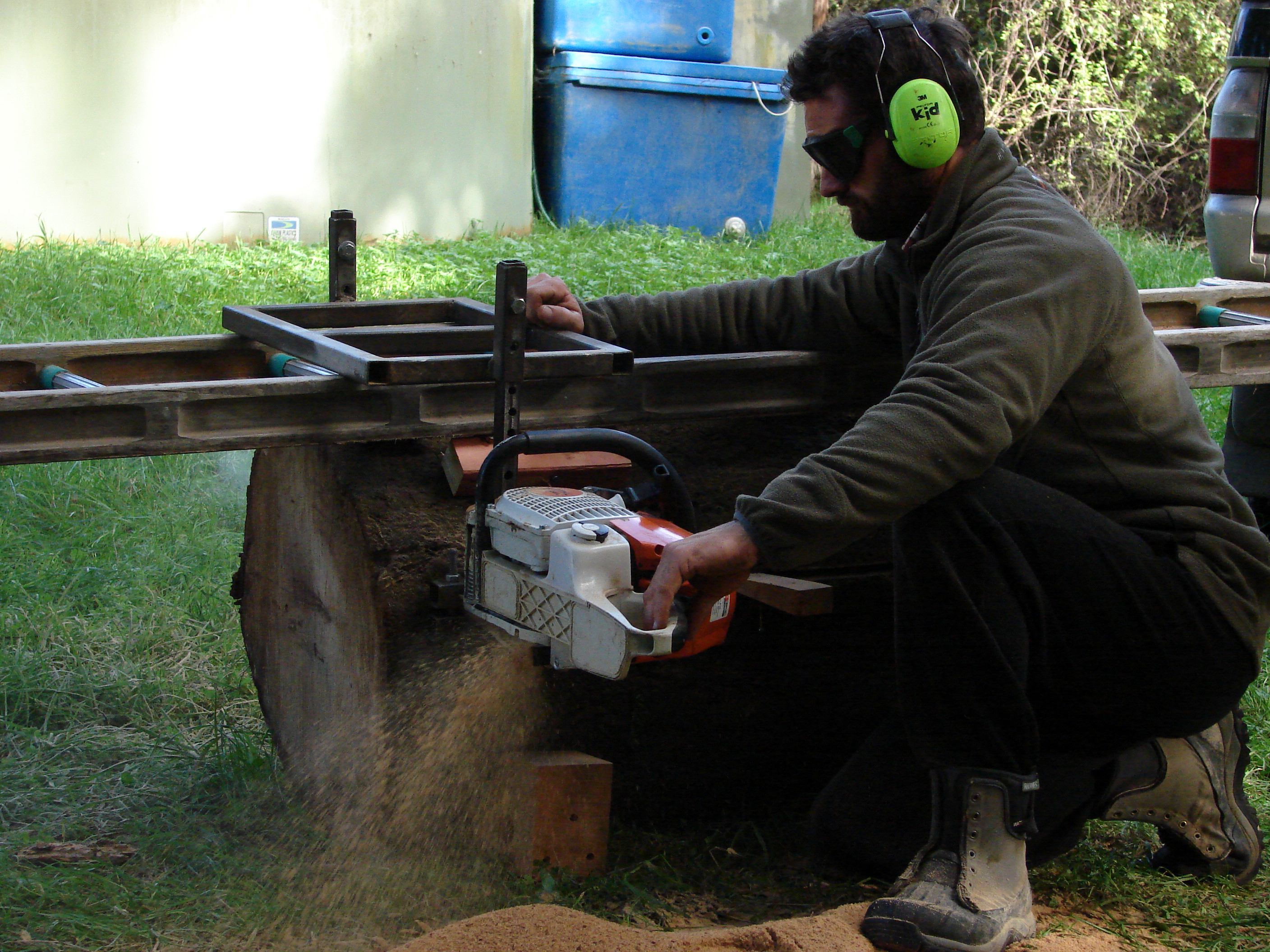
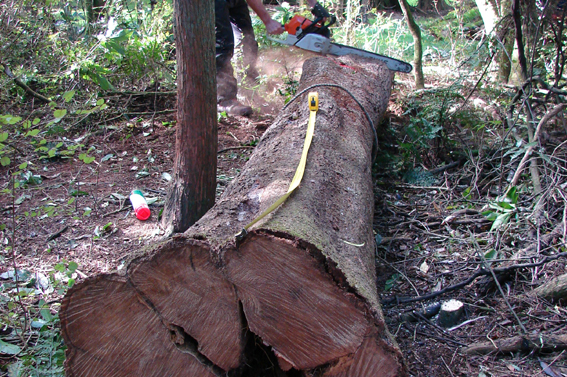
There is an area out the back of Taihape where kowhai trees grow to great size as 'canopy' trees. Here they grow a long straight trunk up to 800mm + diameter. I discovered some standing but dead trees on a farm and received permission to mill them. There are some photos of that process in the slide show at the end of this page.
With some help, I felled a couple of them, and made 60mm planks 1.2 metres long. The wood was very wet and starting to decay in a few places. I put the filleted planks under my firewood in a shed and left them over the winter to dry out a bit. Unbeknowst to me, they were full of huhu grubs. Needless to say the huhus got the best of these planks. I still wound up with enough wood for 10 - 12 guitars. It is a superb tonewood and very easy to work with. I have a bit left too...
Compared to black maire, kowhai is an equal in hardness and density with maire. Kowhai is not overly resinous though. And, it is plain in appearance by comparison. It is incredibly strong both along and across the grain.
It plank form it is almost impossible to find. Most kowhai tree varieties are too small to mill, they are more like a large bush than a tree. And harvest is restricted by law (as are most native woods).
There is an area out the back of Taihape where kowhai trees grow to great size as 'canopy' trees. Here they grow a long straight trunk up to 800mm + diameter. I discovered some standing but dead trees on a farm and received permission to mill them. There are some photos of that process in the slide show at the end of this page.
With some help, I felled a couple of them, and made 60mm planks 1.2 metres long. The wood was very wet and starting to decay in a few places. I put the filleted planks under my firewood in a shed and left them over the winter to dry out a bit. Unbeknowst to me, they were full of huhu grubs. Needless to say the huhus got the best of these planks. I still wound up with enough wood for 10 - 12 guitars. It is a superb tonewood and very easy to work with. I have a bit left too...
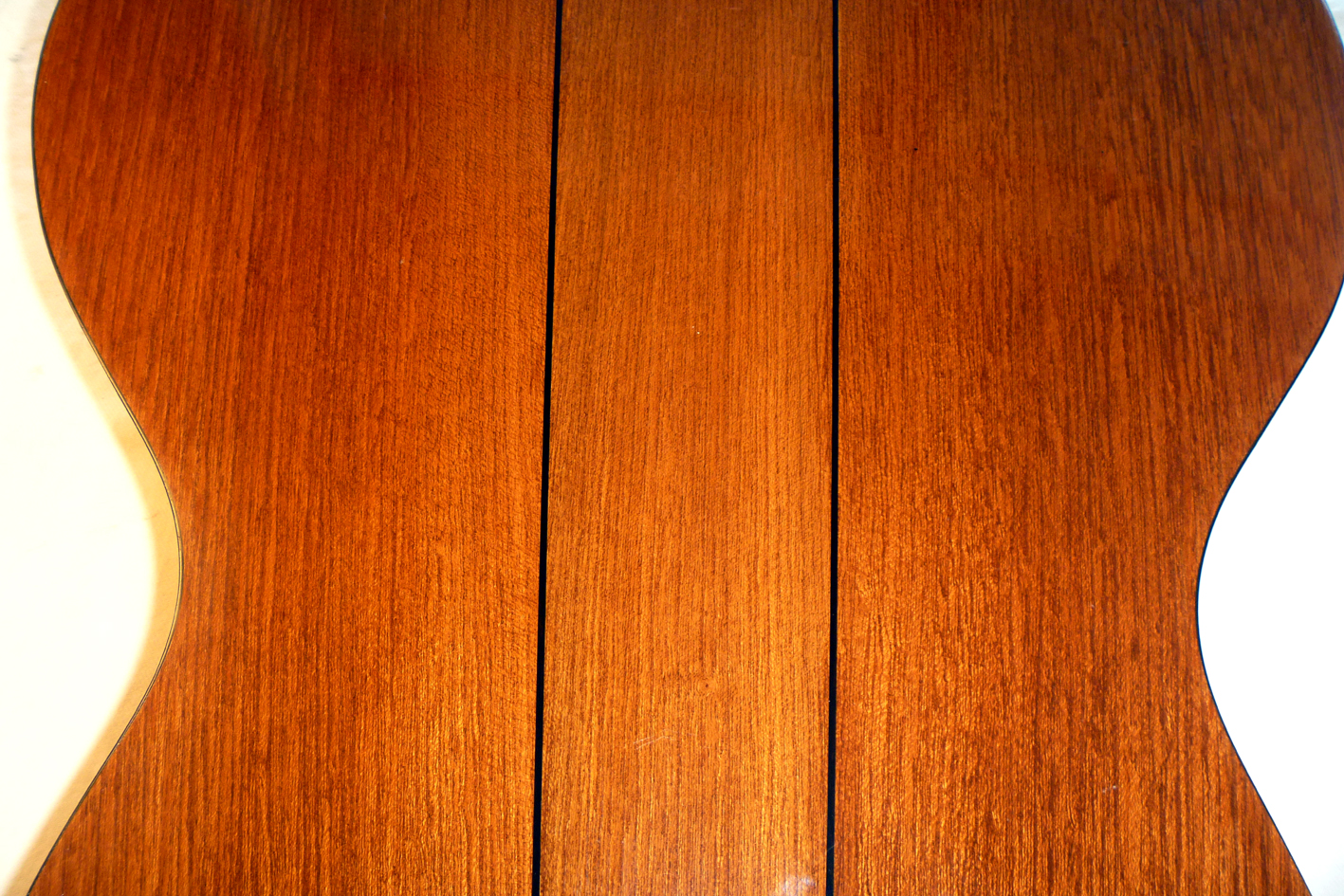
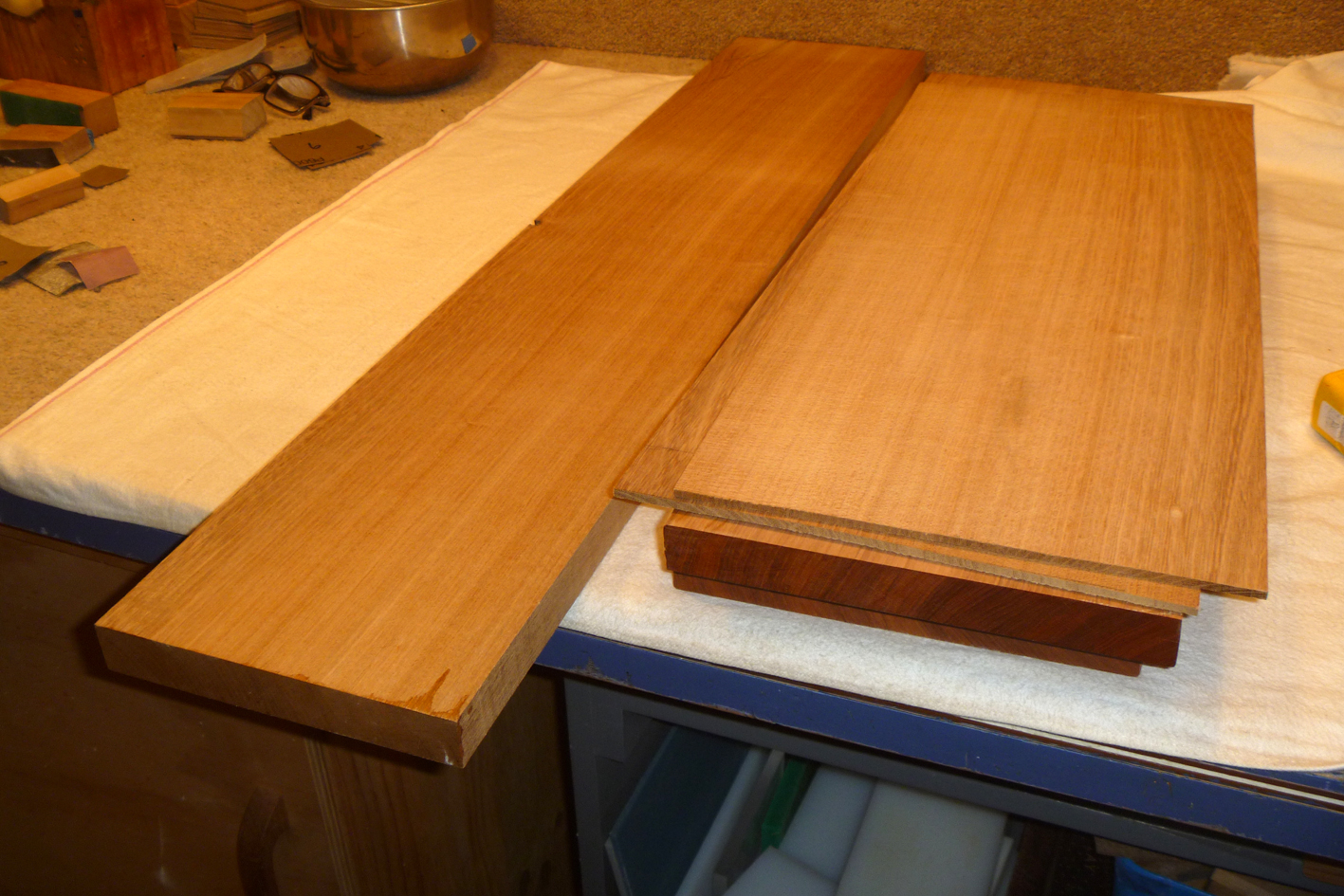
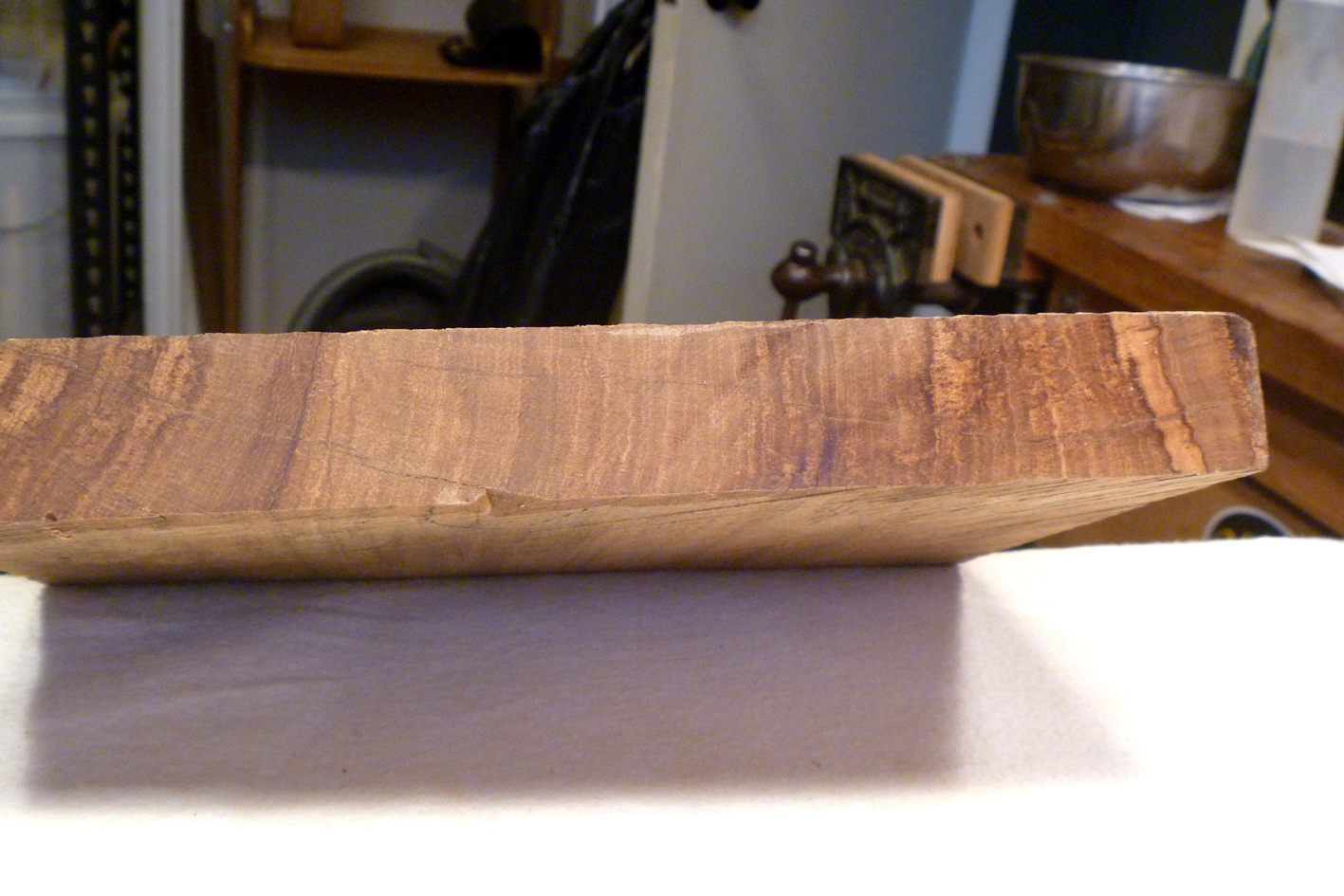
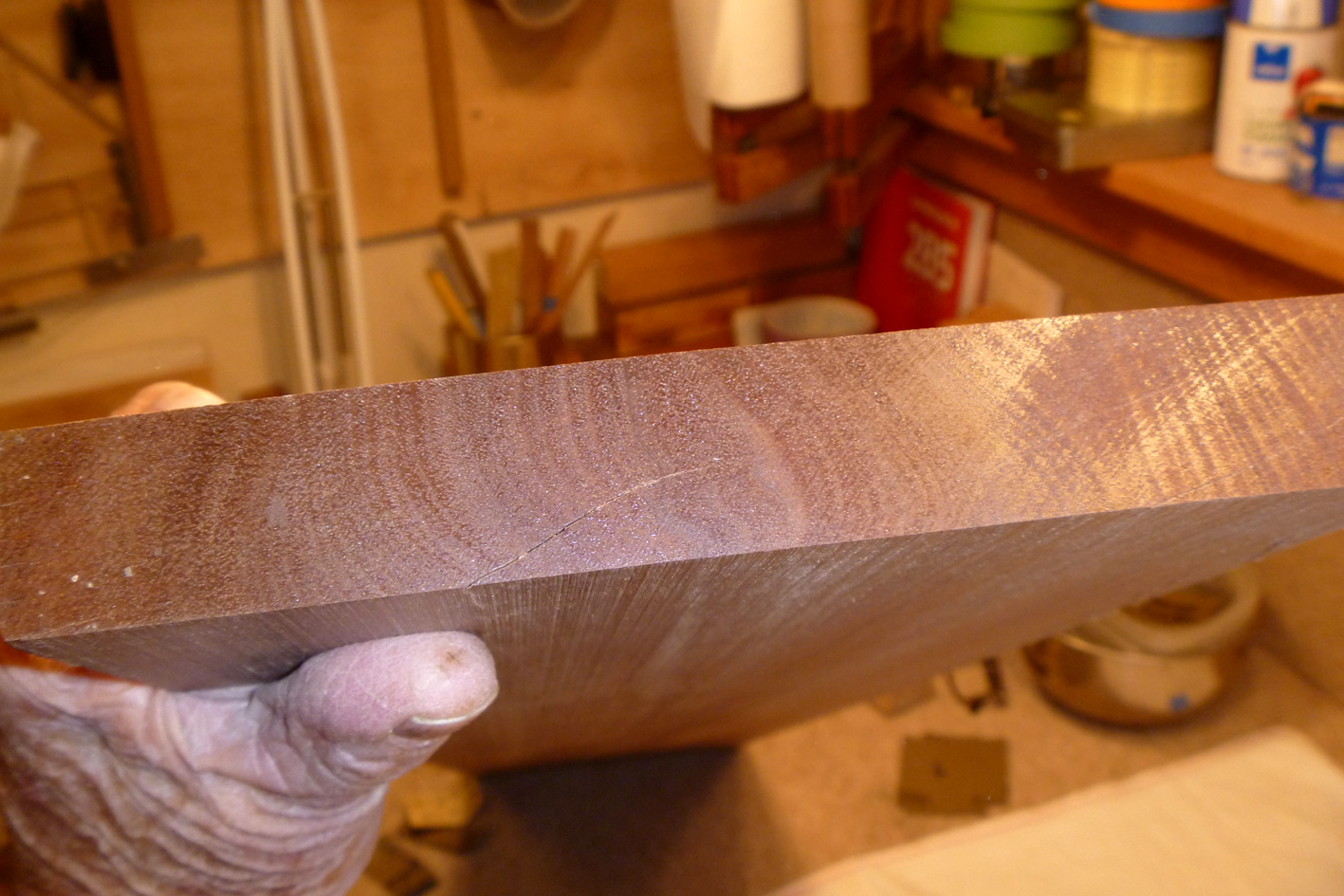
Northern Rata
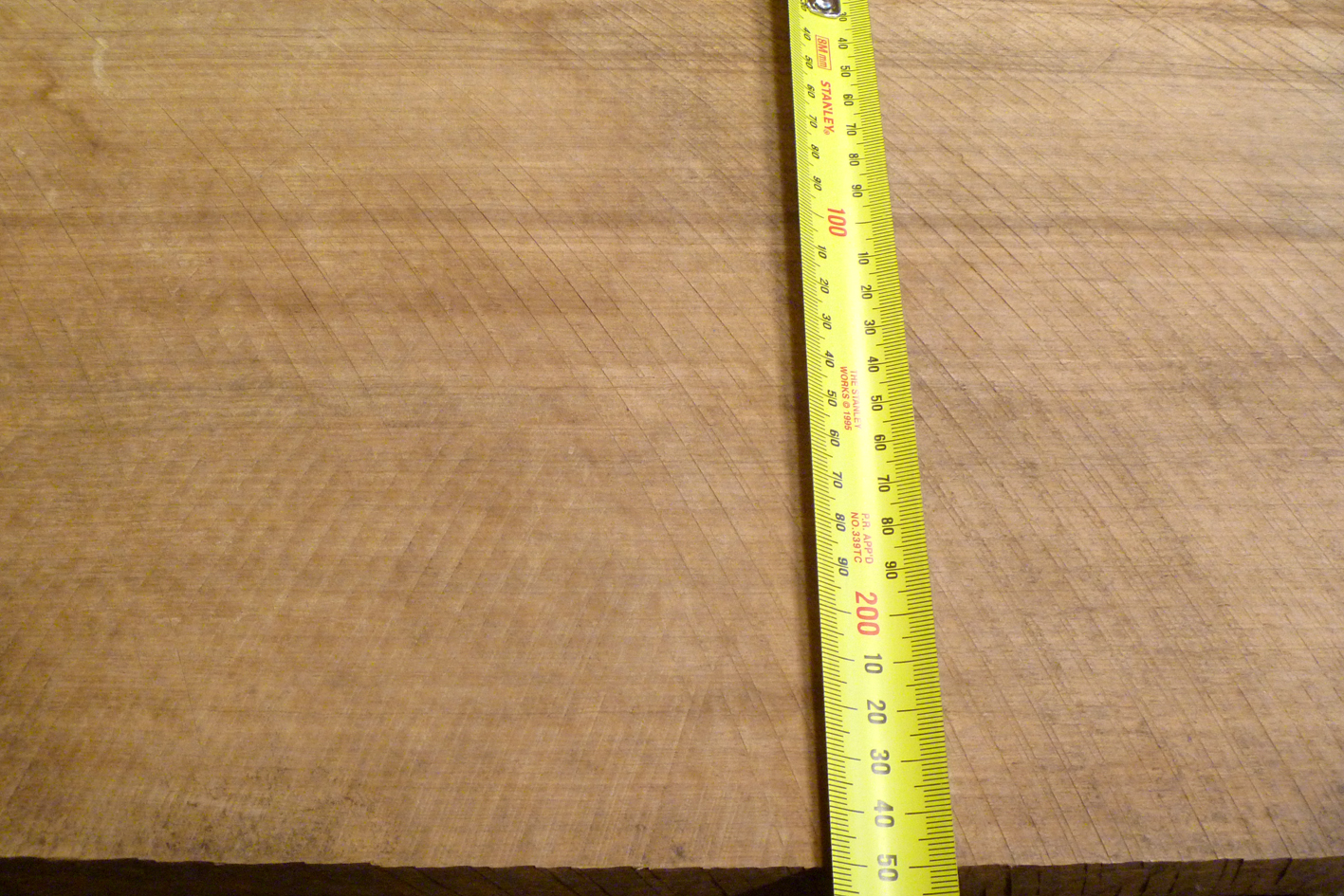
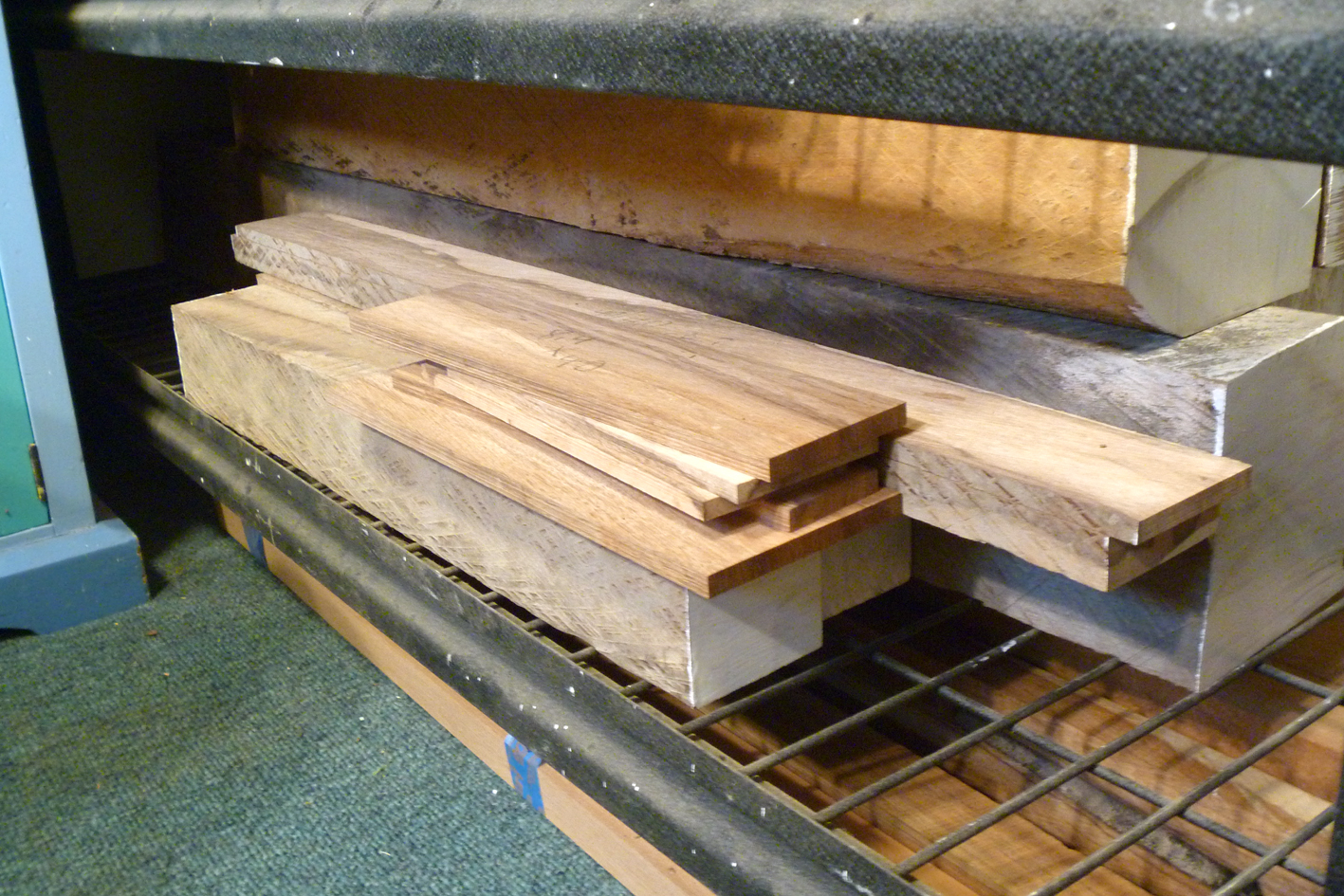
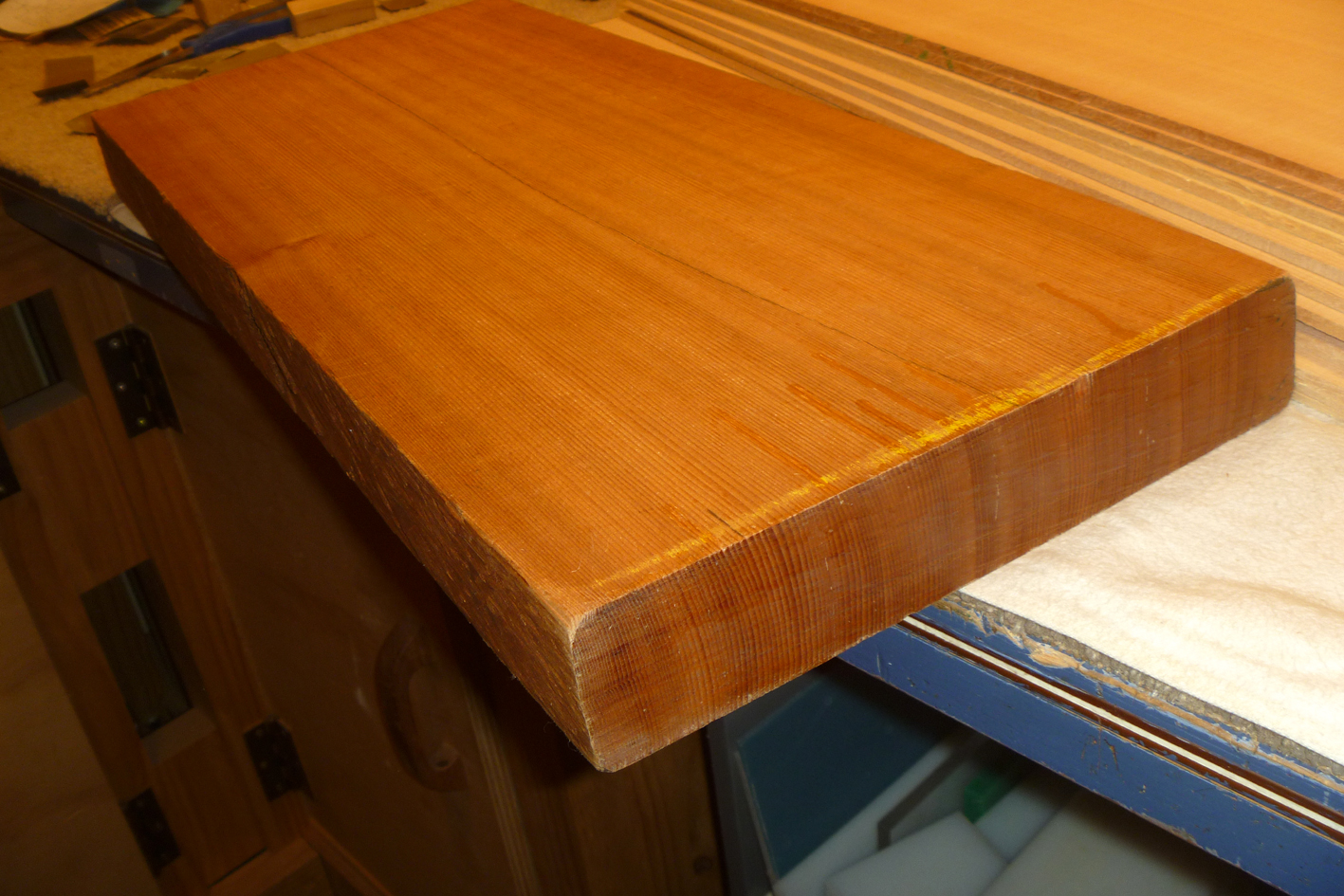
A couple of quartersawn rata planks found me. I was offered them for free and decided to see if they were applicable as a guitar tonewood. I'm building a drednought with this wood now, that should be finished in September 2023. It is dense and extremely hard so should be acoustically good.
A couple of quartersawn rata planks found me. I was offered them for free and decided to see if they were applicable as a guitar tonewood. I'm building a drednought with this wood now, that should be finished in September 2023. It is dense and extremely hard so should be acoustically good.
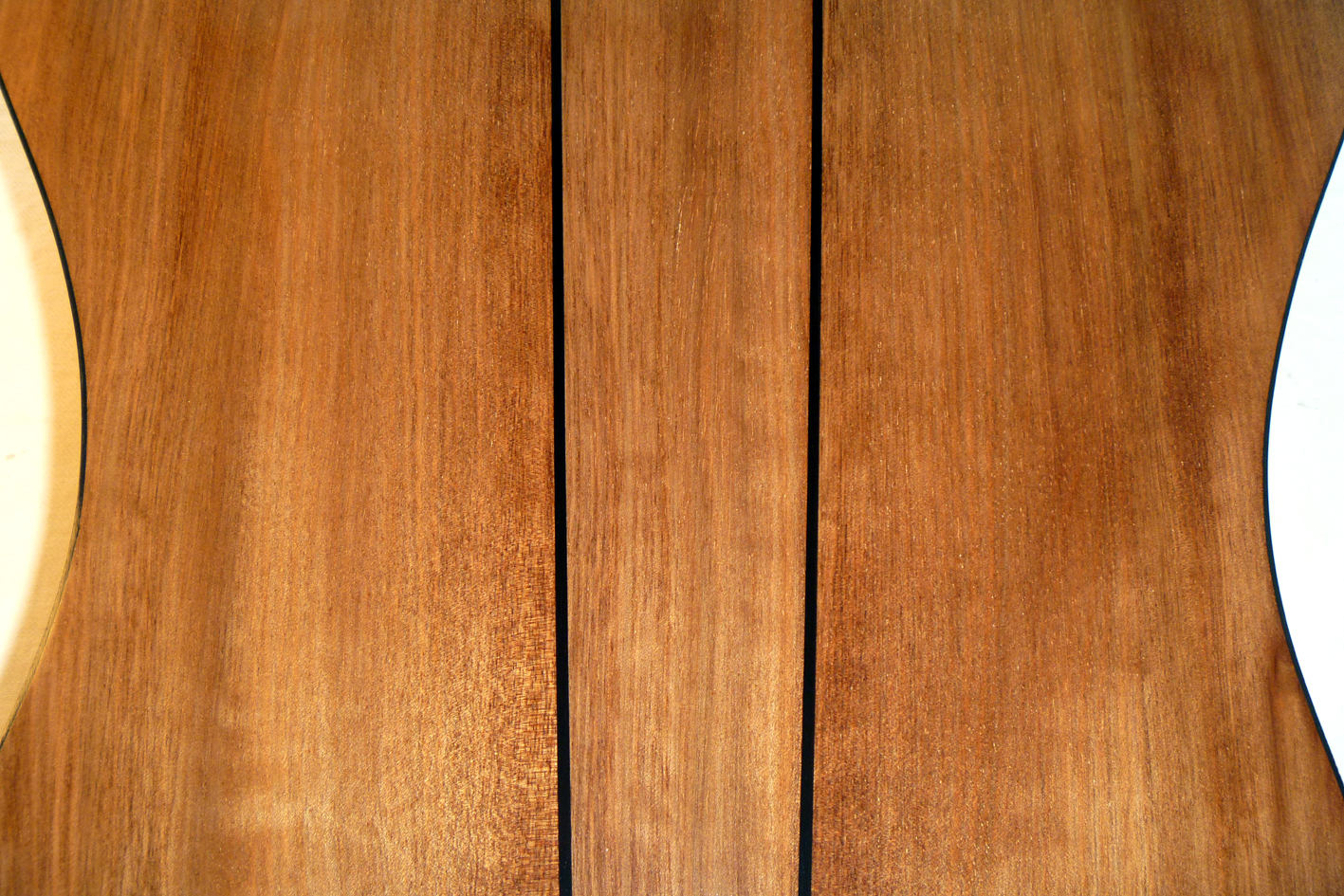
Unfortunately, it is very diffricult to work with and misbehaves somewhat unpredictably. Maybe this is just the plank I am working with, maybe it is due to the way it has been stored, maybe it is the nature of this wood. The planks I was given were originally milled to be used in the rulers used in New Zealand schools back in the 50's and 60's. The way you store wood can make or break its workability, and the storage history of this wood might be suspect.
Nevertheless, it is cosmetically a handsome wood and might make a great guitar. And, I'm in no position to turn down an opportunity like this.
Nevertheless, it is cosmetically a handsome wood and might make a great guitar. And, I'm in no position to turn down an opportunity like this.
If you'd like more images, below is a slide show of the woods used in Simian Ridge Guitars. The woods featured are the three above plus sitka spruce and totara.